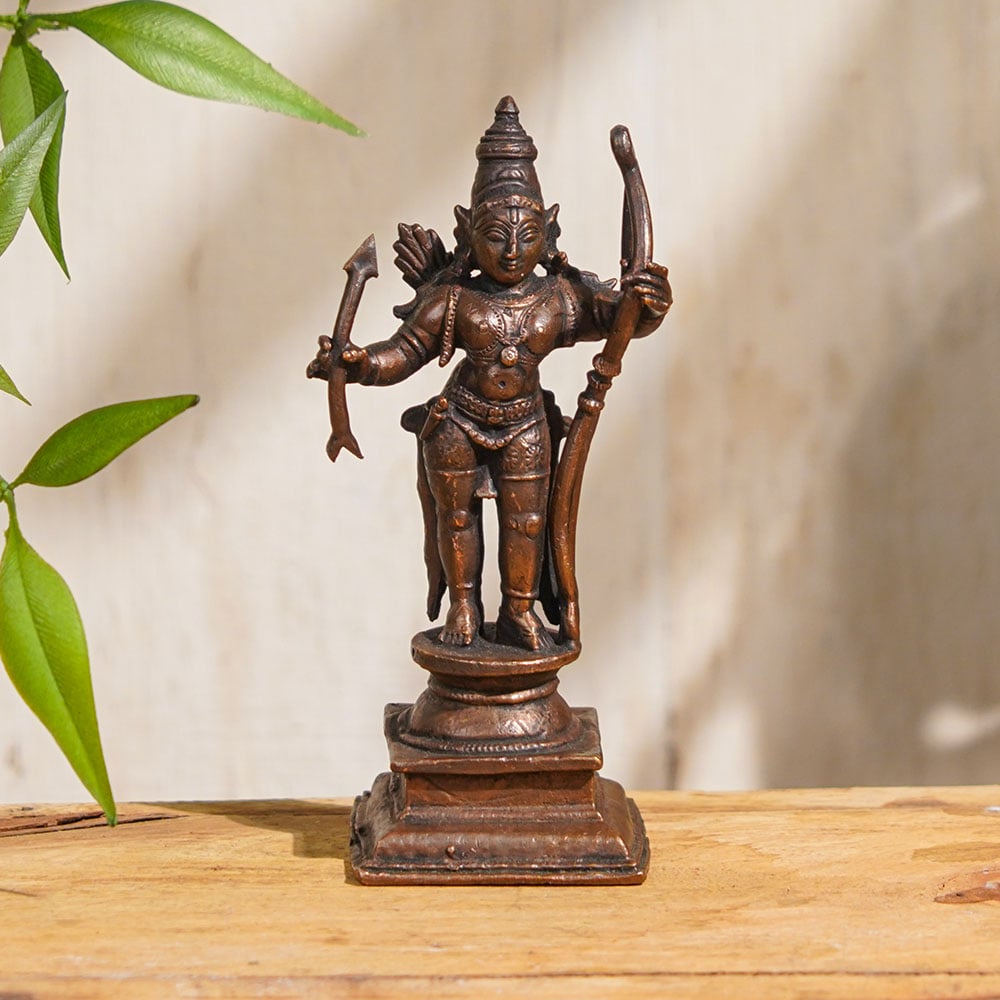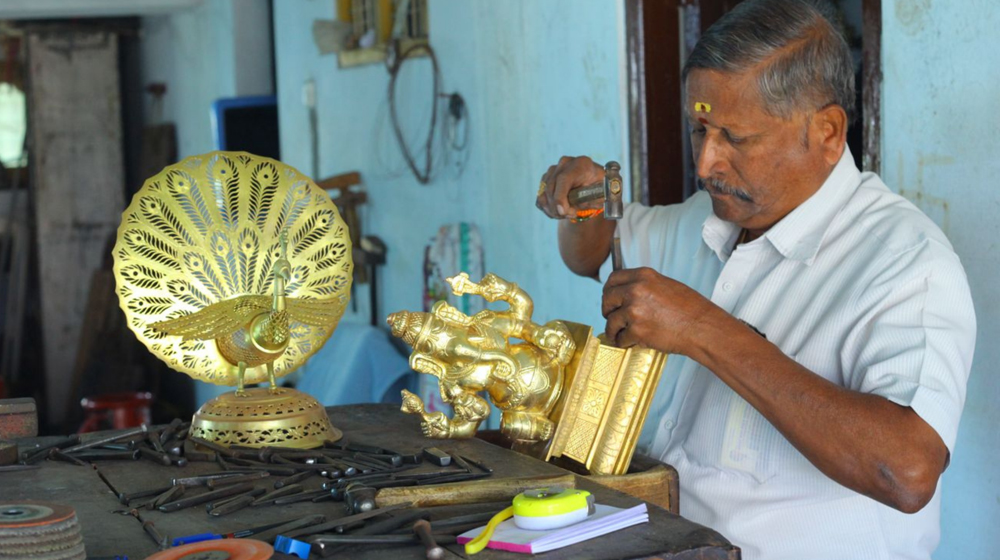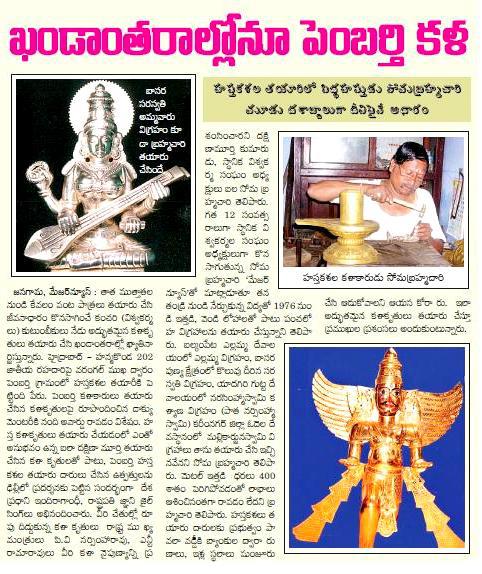
Panchaloha idols hold a sacred and significant place in Indian tradition and spirituality. Crafted from a unique blend of five metals—gold, silver, copper, brass, and lead—these idols symbolize divine energy, artistic excellence, and centuries-old heritage.
The creation of Panchaloha idols is a remarkable process rooted in ancient craftsmanship. Artisans begin by sculpting a detailed model using wax. This model is then encased in a clay mold. Once the mold is heated, the wax melts away, leaving a hollow cavity. Molten metal is poured into this space, and after cooling, the mold is carefully broken to reveal the final idol. This technique is known as the “Lost Wax Method”, a tradition passed down through generations.
With a history spanning thousands of years, Panchaloha idols have been an integral part of temples and spiritual practices in India. Beyond their religious significance, these idols are also believed to possess unique energy-retaining properties, enhancing spiritual vibrations in their surroundings.
Today, the beauty and authenticity of Panchaloha idols have gained global recognition. These handcrafted masterpieces are exported to countries such as the United States, Europe, and Australia, where they are cherished in temples, meditation spaces, and home altars. Their cultural and artistic value makes them highly sought after by collectors and spiritual enthusiasts worldwide.
However, preserving this traditional art form comes with challenges. Rising raw material costs and a shortage of skilled artisans pose significant hurdles. Despite this, dedicated craftsmen continue to uphold their legacy, ensuring that this ancient art survives for future generations.
Panchaloha idols are more than just sculptures—they are a reflection of culture, devotion, and timeless artistry. Supporting this craft helps preserve a rich heritage and keeps a sacred tradition alive across the globe.